Web Development
Core Web Vitals in 2026: What They Are and Why They Affect Sales
Core Web Vitals are Google's three speed and stability metrics - and on a real Indian phone, each second of delay quietly costs you orders and rankings.
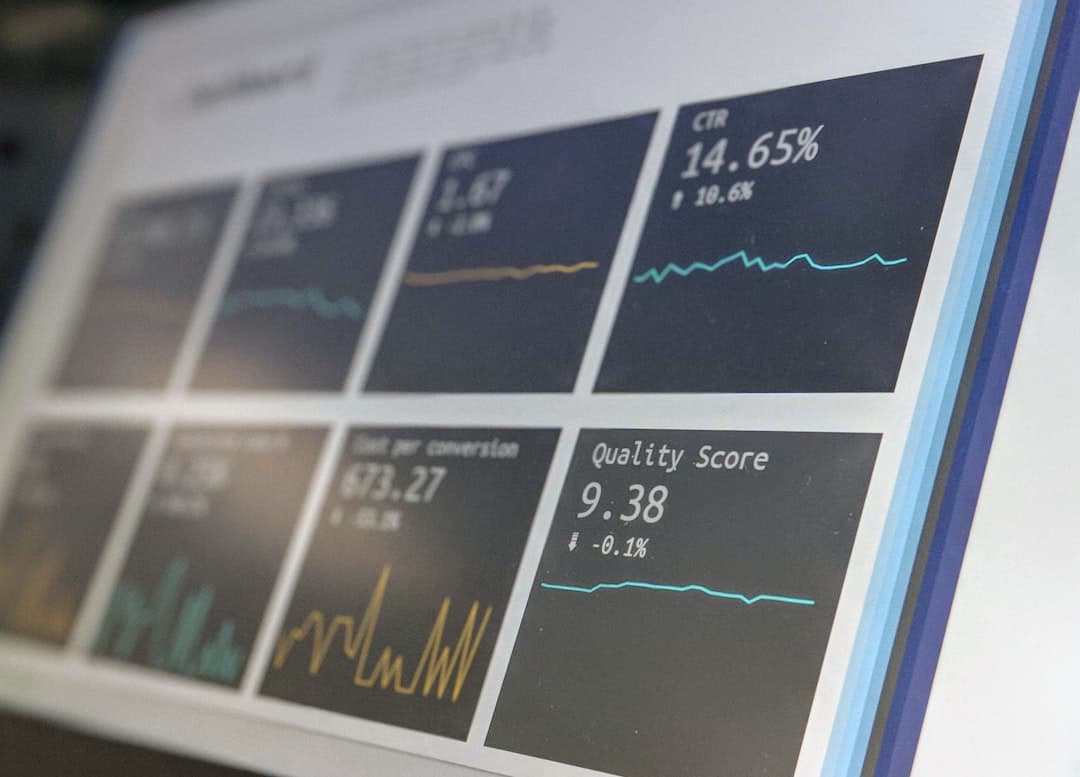
Core Web Vitals are Google's three real-world measures of how fast and stable a page feels to an actual visitor: LCP (how quickly the main content appears), INP (how fast the page responds to a tap), and CLS (how much the layout jumps around). To "pass" in 2026, you need LCP under 2.5 seconds, INP under 200 milliseconds, and CLS under 0.1 for at least 75% of your visitors. Miss those and you lose both sales and rankings.
What are Core Web Vitals, in one line each?
Strip away the jargon and the three metrics are simple. LCP (Largest Contentful Paint) measures how long until the biggest visible thing on screen - usually your hero image, banner, or headline - has loaded; it answers "how long before the page looks ready?". INP (Interaction to Next Paint) measures how quickly the page reacts when a user taps a button, opens a menu, or types in a field; it answers "is this thing frozen or alive?". CLS (Cumulative Layout Shift) measures how much content unexpectedly moves while loading - the maddening moment a button jumps just as you tap it; it answers "can I trust where things are?".
One change worth flagging if you last looked at this a couple of years ago: INP replaced the old FID (First Input Delay) metric in 2024 and is now the official responsiveness score. INP is stricter, because it watches every interaction across the visit, not just the first one. A site that "passed" on FID can quietly fail on INP, which is why a 2026 audit matters.
What counts as a pass or a fail?
Google buckets every metric into Good, Needs Improvement, and Poor, and it grades you on the 75th percentile of real visits - meaning three out of four of your users must hit the "Good" band. Here are the exact thresholds you are being measured against in 2026:
| Metric | What it measures | Good (pass) | Needs improvement | Poor (fail) |
|---|---|---|---|---|
| LCP | Loading speed | Under 2.5s | 2.5s to 4.0s | Over 4.0s |
| INP | Responsiveness to taps | Under 200ms | 200ms to 500ms | Over 500ms |
| CLS | Visual stability | Under 0.1 | 0.1 to 0.25 | Over 0.25 |
The critical detail for Indian businesses: these scores are based on field data - real Chrome users on real devices and networks - not the polished lab score your developer sees on a fast office connection. The page that scores 95 on a MacBook can still fail in the field because your customer is on a mid-range Android phone on patchy Gurugram 4G. If you only ever look at a one-off lab test, you are grading the wrong exam.
How do poor Core Web Vitals actually cost you sales?
This is not an abstract SEO concern - it is a leak in your funnel measured in rupees. The relationship between speed and abandonment is brutal and well-documented: a meaningful share of visitors leave as a page crosses three seconds to load, and the drop-off steepens from there. If your LCP is 6 seconds, a large chunk of the traffic you paid for through Google Ads or Meta never even sees your offer. You are buying clicks and then losing them at your own front door.
The damage compounds on the two screens that decide revenue. On a slow, jumpy product page, a shopper who came ready to buy gives up before the price and the "Add to cart" button settle into place. At checkout, a high INP means the "Pay now" button feels dead for half a second after the tap, so the anxious buyer taps again, gets confused, and abandons. A bad CLS at checkout is worse still - the user reaches to confirm, the layout shifts, and they accidentally tap the wrong thing. Each of these is a sale you had won and then handed back.
We have watched exactly this play out. In one D2C rebuild, dragging time-to-usable on mobile from roughly 8 seconds down to under 2.5 - turning failing Core Web Vitals into passing ones - was the single biggest factor in roughly tripling mobile conversion, on the same ad budget. Fixing the speed was cheaper than buying more traffic, and it worked because the traffic they already had finally converted.
Do Core Web Vitals really affect Google rankings?
Yes, but with nuance worth understanding so you spend wisely. Core Web Vitals are a confirmed Google ranking signal as part of "page experience." They are not the most powerful signal - relevant, genuinely useful content still wins first - but they act as a tie-breaker. When two pages are similarly relevant for a competitive query like "best D2C skincare in Delhi," the faster, more stable one tends to win the higher position. In crowded Indian categories, that tie-breaker is often the difference between page one and page two.
There is a second, growing reason to care in 2026. Speed and clean technical structure also help your content get surfaced inside AI-driven and answer-style search results, where engines favour pages they can crawl and render reliably. So performance now pays off across classic SEO, the page-experience signal, and newer AEO and GEO answer engines at once. One investment, three channels.
What are the quick wins to fix Core Web Vitals?
Most failing Indian sites fail for the same handful of reasons, and the fixes are well understood. Start here:
- Compress and correctly size images. Oversized images are the number-one cause of poor LCP. Serve modern formats (WebP or AVIF), size them to the actual display dimensions, and never ship a 2 MB hero image to a phone. This one change often moves LCP more than everything else combined.
- Lazy-load anything below the fold. Defer images and embeds the user has not scrolled to yet, so the browser spends its first precious second rendering what is visible, not what is hidden.
- Strip out heavy third-party scripts. Chat widgets, multiple analytics tags, marketing pixels, and old plugins are the usual culprits behind poor INP - they tie up the browser so it cannot respond to taps. Audit every script and remove or defer what is not essential.
- Reserve space for images, ads, and embeds. Set explicit width and height (or aspect ratios) so nothing shifts as it loads. This is the direct fix for CLS, and it is usually fast to apply.
- Load fonts properly. Self-host or preload web fonts and use a font-display strategy so text shows immediately instead of flashing or shoving the layout when the custom font arrives.
- Use a CDN and modern hosting. Serving assets from servers closer to your users cuts load time, which matters when your audience is spread across Delhi NCR and beyond.
The order matters: fix the single largest LCP element first, then chase INP by trimming scripts, then close out CLS with reserved space. Measure real-world data in the Core Web Vitals report inside Google Search Console rather than chasing a flawless lab number, because the field score is the one Google ranks you on.
When do you need a rebuild instead of a patch?
Sometimes the quick wins are enough - a content or services site bloated with images and plugins can often be brought into the green in a few focused days. But if your platform is fundamentally heavy (a years-old, plugin-stacked store, or a theme that ships megabytes of unused code), you are patching symptoms. In those cases the durable fix is a performance-first build: a lean modern stack where speed is engineered in, not bolted on after.
That is the difference between a one-time website speed optimization engagement and a ground-up custom web development project, and it is worth being honest with yourself about which you need. A useful rule: if performance is your only complaint, optimise. If performance is one of several complaints - clunky checkout, hard-to-update content, dated design - a rebuild usually pays for itself faster, especially for e-commerce stores where every tenth of a second maps to orders.
What does fixing Core Web Vitals cost in India?
It depends on the depth of the problem, but here are honest Delhi NCR bands for production-grade work rather than the cheapest quote you can find:
| Scope | What it covers | Realistic cost (INR) |
|---|---|---|
| Performance audit | Field + lab diagnosis, prioritised fix list in rupees-recovered order | ₹15,000 to ₹40,000 |
| Optimisation sprint | Images, scripts, lazy-loading, CLS fixes, CDN setup on your existing site | ₹40,000 to ₹1.5 lakh |
| Performance-first rebuild | New lean stack where Core Web Vitals pass by design | ₹2.5 lakh and upward |
For a store or lead-gen site already spending meaningfully on ads, an audit and sprint typically pay back within months purely from recovered conversions - you are not adding traffic, you are stopping the leak in the traffic you already buy. You can see indicative figures on our pricing page, browse real project results in our portfolio, or explore live industry demos built to pass these metrics out of the box.
FAQs
How do I check my own Core Web Vitals for free?
Use Google PageSpeed Insights for a quick lab-plus-field snapshot of any URL, and the Core Web Vitals report inside Google Search Console for ongoing real-user data across your whole site. Search Console is the one that mirrors how Google grades you, so treat it as the source of truth and PageSpeed Insights as the diagnostic for individual pages.
My PageSpeed score is 95 but I still fail Core Web Vitals - why?
Because the headline number is usually a lab test on a simulated fast device, while the pass/fail verdict comes from field data - your actual visitors on real Indian phones and networks. A page can look great in the lab and still fail in the field. Always trust the field data in Search Console over a single lab score.
Will passing Core Web Vitals guarantee I rank number one?
No. Core Web Vitals are a ranking signal but a relatively light one - relevant, high-quality content matters more. Think of speed as a tie-breaker that lifts you above similarly relevant competitors and protects you from losing positions to faster rivals. The bigger, more certain payoff is on conversions, where the effect is direct and immediate.
How long does it take to fix a failing site?
A focused optimisation sprint on an existing site usually takes one to three weeks, with the biggest LCP and CLS wins often landing in the first few days. After deployment, allow about 28 days for Google's field data to update before the Search Console verdict flips from "Poor" to "Good," since it reports on a rolling window of real visits. If you would like us to audit your site and quantify the leak in rupees, get in touch and we will map a fix to your numbers.
Need help implementing this for your business?
We help teams build and optimize websites with strong performance and conversion outcomes.