Web Development
Website Redesign: When It's Worth It and How to Do It Right
A redesign is expensive to get wrong. Here is how to tell whether yours is genuinely due, how to protect your SEO through the switch, and realistic ₹ budgets for the work.
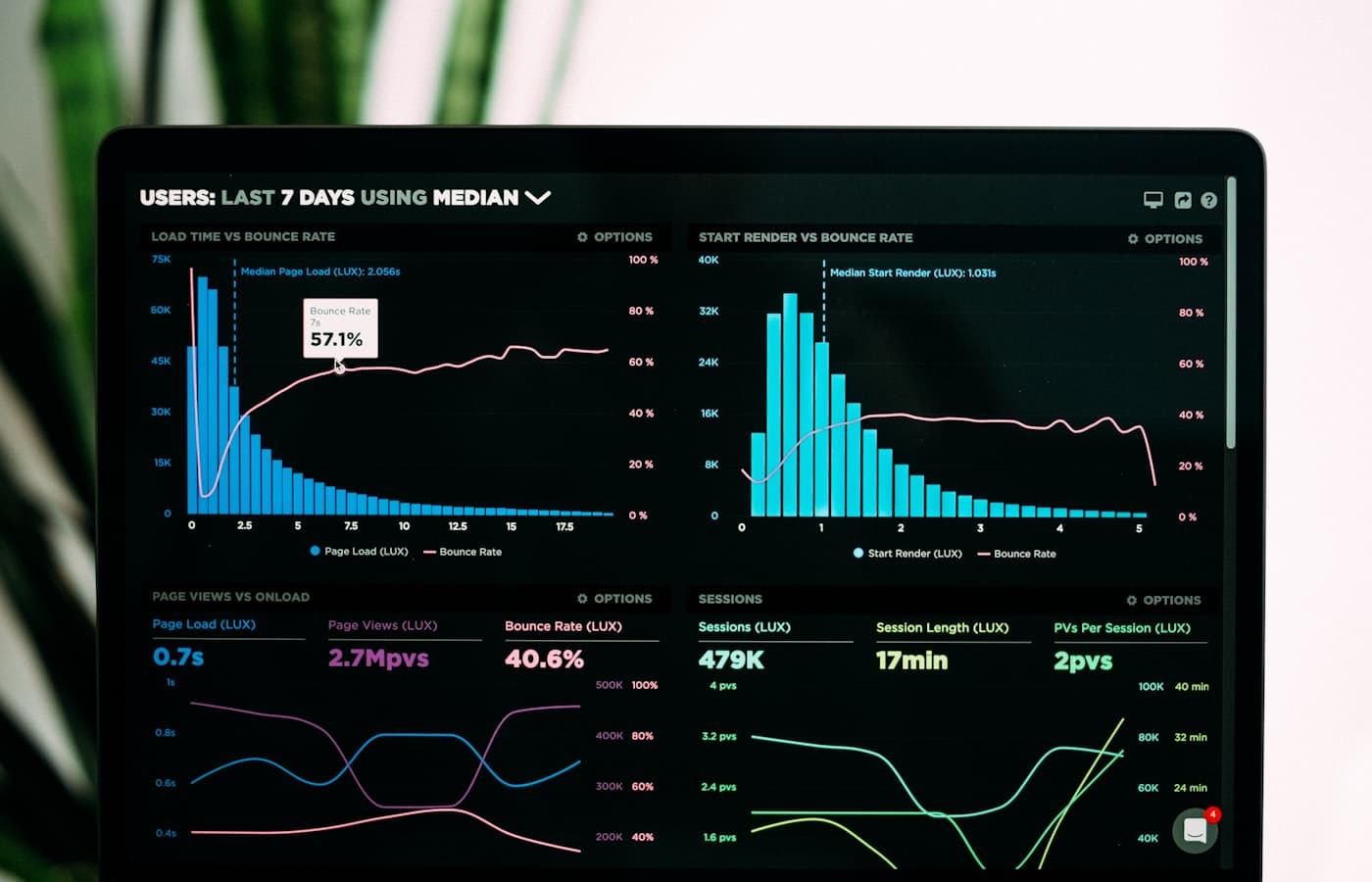
A website redesign is worth it when the current site is actively costing you leads, sales, or credibility - and it backfires when it is driven by boredom and launched without protecting your search rankings. This guide helps you decide whether yours is genuinely due, choose between a refresh and a full rebuild, protect your SEO through the switch, and budget realistically in ₹.
First, is a redesign actually the fix?
Before spending anything, separate the symptom from the cause. "The site feels old" is rarely the real problem; "visitors arrive but do not enquire" is. Many sites that owners want to scrap simply need targeted fixes - faster load times, a clearer homepage message, a better contact flow - rather than a ground-up rebuild. Diagnose with data first: check your analytics for where people drop off, run key pages through a speed test on a mid-range phone, and read a few session recordings if you can. Sometimes a focused round of website optimization recovers most of the lost conversions at a fraction of a redesign's cost. Redesign when the foundations are the problem, not when a tune-up would do.
Signs it is genuinely time to redesign
A full redesign earns its cost when several of these are true at once. The site is not mobile-friendly, even though most of your traffic is on a phone. It loads slowly and the speed problems are baked into a bloated, plugin-stacked build rather than a few heavy images. You cannot update content without calling a developer, so the site goes stale. The design looks dated enough that it undermines trust with the customers you are trying to win. Your business has changed - new services, new audience, new positioning - and the site no longer reflects what you do. Or it was never built to convert, with no clear calls to action, no lead capture, and no measurement. One of these is a fixable issue; three or four together usually mean the structure itself is holding you back.
Redesign, refresh, or replatform?
These are three different projects with very different costs. A refresh keeps your platform and structure but updates the visual design, messaging, and key pages - the right choice when the bones are sound but the site looks tired. A redesign rethinks the structure, user journeys, and content, usually on the same or a similar platform - the right choice when the site does not convert or no longer fits the business. A replatform moves you to a different technical foundation - for example off a slow, patched setup onto a modern stack, sometimes with a headless CMS for speed and flexibility - the right choice when the platform itself is the ceiling. Be honest about which one you need; paying for a replatform when a refresh would do is as wasteful as papering over a broken platform with new graphics.
Protect your SEO - this is where redesigns backfire
The most common way a redesign destroys value is by quietly throwing away the search rankings the old site had earned. If URLs change and nothing is mapped, every ranking page can turn into a 404, and traffic falls off a cliff weeks after launch. Protect yourself with a disciplined migration: crawl and record every existing URL and its traffic before you start, keep the same URL wherever you can, and set up 301 redirects from every old URL to its closest new equivalent where you cannot. Preserve the page titles and content that already rank, carry over your structured data, and keep an eye on internal links so you are not pointing at dead pages. After launch, submit the new sitemap in Search Console and watch index coverage and rankings closely for a few weeks. Building the new site on SEO-friendly development foundations from the start is what makes this migration safe rather than nerve-wracking.
A process that de-risks the rebuild
Treat a redesign like a project with phases, not a single reveal. Start by writing down the outcomes the new site must produce - more qualified enquiries, online orders, demo bookings - so every decision ladders up to a number you care about. Audit the current site for what works (keep it) and what leaks (fix it). Plan the structure and content before any visuals, because a beautiful design wrapped around a confusing structure still fails. Design the mobile layout first, prototype the key journeys, and review them against real user behaviour. Build, then test thoroughly on real devices and networks before switching over. A phased approach, often paired with proper UI/UX design, means you launch something you have validated rather than something you are hoping works.
Realistic budgets and timelines in ₹
Redesign costs scale with scope, not with how shiny the result looks. A focused refresh of a small business site - new design, sharper messaging, a handful of key pages on a solid existing platform - typically runs ₹40,000 to ₹1.2 lakh in Delhi NCR. A full redesign with new structure, custom pages, conversion engineering, and a CMS your team can run generally lands at ₹1.5 lakh to ₹5 lakh depending on page count and integrations. A replatform or a content-heavy or e-commerce rebuild, where you are effectively building software, runs ₹4 lakh and upward. For honest context on what drives these figures, our breakdown of website costs in India is a useful companion, and you can see indicative tiers on our pricing page. Add 10-20% of the build cost per year for maintenance; a site left unmaintained drifts back into the state that prompted the redesign.
What to measure after launch
A redesign is not finished at launch - that is when you find out whether it worked. Watch the metrics that reflect the outcomes you defined: enquiry and conversion rates, not just visits; the share of mobile users who complete an action; Core Web Vitals; and, critically, your organic traffic and rankings for the pages that mattered before. Compare against the baseline you recorded before migrating so you can tell a genuine improvement from a seasonal swing. If something dipped, diagnose and fix it quickly rather than waiting. Done this way - with a clear outcome, a protected migration, and honest measurement - a redesign stops being a gamble and becomes one of the better investments your business makes. If you want it scoped end to end, that is the heart of our custom web development and business website work.
Need help implementing this for your business?
We help teams build and optimize websites with strong performance and conversion outcomes.